
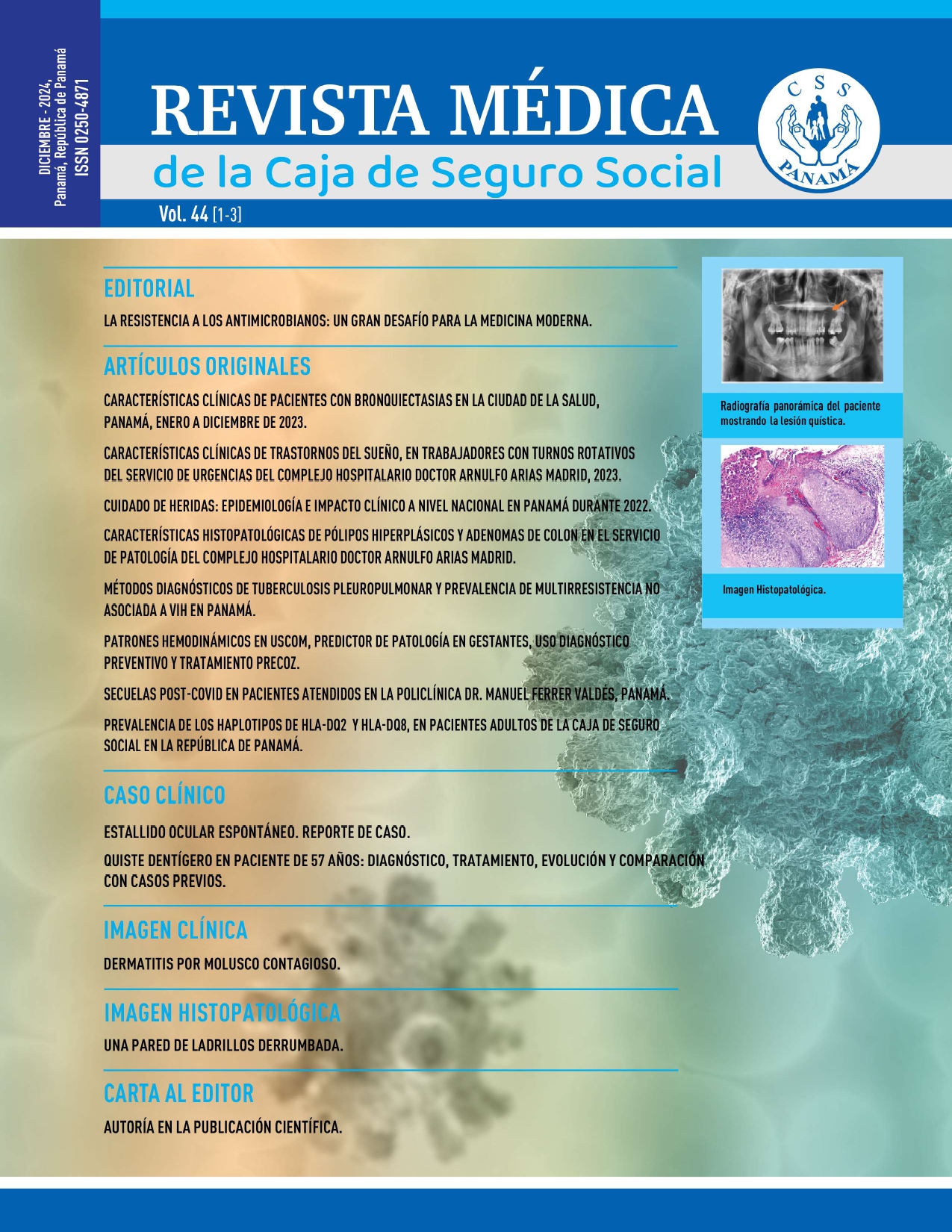
Hemodynamic patterns in USCOM, predictor of pathology in pregnancy, preventive diagnostic use and early treatment.
Article Sidebar
Main Article Content
Abstract
This study analyzes a database of 236 non-invasive hemodynamic studies (NIH) conducted between 2021 and 2024, focusing on pregnant women. The majority of the studies were performed on women aged 26 to 35, primarily during the third trimester of pregnancy. This suggests a socioeconomic trend of delayed childbearing and highlights the increased risk of gestational complications, such as hypertensive syndromes, which were the most prevalent condition observed. Infectious patterns were also identified, underscoring the need for comprehensive evaluations during hemodynamic studies to detect infection sources and prevent future complications, such as preterm birth.
The study also notes that a significant number of pregnancies culminated in scheduled cesarean sections, indicating effective monitoring to prevent complications. However, 35 cases required emergency cesareans due to conditions like preeclampsia, which posed risks to both the mother and the fetus. It is worth noting that an equal number of women did not continue with prenatal follow-up for unknown reasons.
This research emphasizes the crucial role of non-invasive hemodynamic studies in the early detection and management of hypertensive and infectious conditions during pregnancy. Furthermore, it advocates for the standardization of protocols and the integration of modern technology to optimize maternal health outcomes, reinforcing that maternal health is a priority requiring both expertise and advanced tools to achieve optimal results
Downloads
Article Details
Issue
Section

This work is licensed under a Creative Commons Attribution-NonCommercial 4.0 International License.
How to Cite
References
1. Vinayagam D, Patey O, Thilaganathan B, Khalil A. Cardiac output assessment in pregnancy: comparison of two automated monitors with echocardiography. Ultrasound Obstet Gynecol. 2017;49:32-8. doi:10.1002/uog.15915.
2. Ohashi Y, Ibrahim H, Furtado L, Kingdom J, Carvalho JCA. Avaliação hemodinâmica não invasiva de mulheres não grávidas, gestantes saudáveis e gestantes com préeclâmpsia usando biorreatância. Rev Bras Anestesiol. 2010;60:608-13.
3. Benedetti TJ, Kates R, Williams V. Hemodynamic observations in severe preeclampsia complicated by pulmonary edema. Am J Obstet Gynecol [Internet]. 1985;152:330-4.
4. Hernández MH, Iniestra NO, Martínez MI. La paciente obstétrica grave. Med Crit. 2017;31:275-84.
5. Urquieta Gamon CR, Rodriguez W, Santander Sanchez NN. Hemodynamic assessment (cardiac output and vascular resistance) in patients with preeclampsia in the Hospital of Women in the City of La Paz, Bolivia, 3600 meters above sea level.
6. La Rosa M, Ludmir J. Management of preeclampsia with elements of severity before 34 weeks of gestation: new concepts. Rev Peru Ginecol Obstet. 2014;60:373-8.
7. Foley MR. Obstetric Intensive Care Manual. 3rd ed. New York: McGraw-Hill;2017.
8. Belfort M, Saade G, Foley M, Phelan J, Dildy G. Critical Care Obstetrics. 5th ed. Singapore: Wiley-Blackwell;2016.
9. Viruez Soto AJ. Severe preeclampsia: obstetric critical care unit of “Hospital General de México” experience during 2014. Obstet Gynecol Int J. 2015;6:1-4. doi:10.15406/ ogij.2015.06.00207.
10. Zeisler H, Llurba E, Chantraine F, Vatish M, Staff AC, Sennström M, et al. Predictive value of the sFlt-1:PlGF ratio in women with suspected preeclampsia. N Engl J Med. 2016;374:13-22. doi:10.1056/NEJMoa1414838